Proactive measures and a strong prevention strategy lower the risk of industrial fires.
Combustible materials are serious fire hazards because they ignite and sustain combustion. Heavy machinery, flammable substances, and high temperatures can turn a spark into a disaster. Proactive measures and a strong prevention strategy lower the risk of industrial fires. Continue reading to learn how to address common causes of industrial fires.
Electrical Fires
Electrical fires are common in industrial settings, often caused by faulty wiring, overloaded circuits, or damaged equipment. Regular maintenance and inspections prevent these fires. Schedule routine checks of wiring, outlets, and panels to catch hazards early. Other tips include:
- Invest in ground fault and arc-fault circuit interrupters to detect and interrupt electrical faults.
- Train staff on electrical safety, avoid overloading outlets, and follow manufacturer instructions for equipment.
- Ensure electrical installations meet all safety standards and regulations.
Flammable Liquids
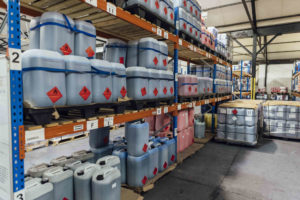
Flammable liquids, such as gasoline, solvents, and paints, can also cause industrial fires. Follow these prevention tips for lowering the risk of industrial fires. Store and handle flammable liquids in designated, ventilated areas with fire suppression systems. Label and tightly seal containers to prevent spills and leaks. Follow strict protocols for the use and disposal of flammable liquids. Hold regularly scheduled training sessions to instruct employees on the safe handling and storage of flammable materials.
Compressed Gases
Compressed gases such as propane and acetylene also pose fire risks. Follow these prevention tips: store, handle, and maintain compressed gases properly.
- Properly store, handle, and maintain compressed gases.
- Store compressed gas cylinders in well-ventilated areas away from heat sources and ignition points. Inspect cylinders for damage or leaks and replace faulty equipment immediately.
- Train your employees on proper handling procedures and emergency response protocols in the event of a gas leak or release.
Hot Work Fires
Hot work, such as welding, cutting, and brazing, presents a significant fire risk due to the intense heat produced during these processes. Before completing any hot work, conduct a thorough risk assessment to identify potential hazards and implement appropriate controls. Clear the work area of combustible materials to establish a fire watch and monitor for sparks or hot particles.
Provide employees with personal protective equipment (PPE) to minimize the risk of injury in case of a gas fire or explosion. Lastly, trained personnel must always be authorized to supervise hot work activities.
Contact Judd Fire Protection for Commercial and Residential Fire Prevention
If you want to ensure your home and business are safe throughout the year, trust Judd Fire Protection, LLC. We have over two decades of experience designing, installing, inspecting, and repairing residential and commercial fire protection systems. We serve clients throughout Maryland, Washington, D.C., Virginia, and West Virginia. If you are interested in finding out more about our services and protecting your home and business, call Judd Fire Protection at 410-871-3480. Follow us on Facebook, X, and Pinterest.